

Javanese Coffee refers to coffee produced on the island of Java, Indonesia. Java is one of the most renowned coffee-producing regions in the country, with a long history of coffee cultivation dating back to the Dutch colonial era. Here’s a detailed overview of Javanese Coffee:
Origin and Region: Javanese Coffee is grown on the island of Java, which is located in Indonesia. The island’s diverse climate and volcanic soil create optimal conditions for coffee cultivation. Key coffee-growing areas in Java include regions like Malabar, Garut, and Ijen Plateau.
Flavor Profile: Coffee from Java typically has a rich, full-bodied flavor with moderate acidity. It often features earthy, spicy, and sometimes chocolatey notes. The profile can vary slightly depending on the specific region and processing methods used, but Javanese Coffee is generally known for its smooth and balanced taste.
Processing Methods: The coffee is processed using both wet (washed) and dry (natural) methods, depending on the region and producer. The wet processing method, where the coffee cherries are pulped and fermented before drying, tends to produce a cleaner and brighter cup. In contrast, the dry processing method, where cherries are dried with the fruit intact, can result in a fuller-bodied and more robust flavor.
Varietals: Javanese Coffee primarily consists of Arabica beans, which are valued for their aromatic and nuanced flavors. Arabica coffee from Java is known for its complexity and distinctive taste.
Historical Significance: Coffee cultivation on Java began in the late 17th century during the Dutch colonial period, making it one of the earliest regions in Indonesia to grow coffee. Java’s coffee industry has since developed significantly, contributing to its reputation as a major coffee producer.
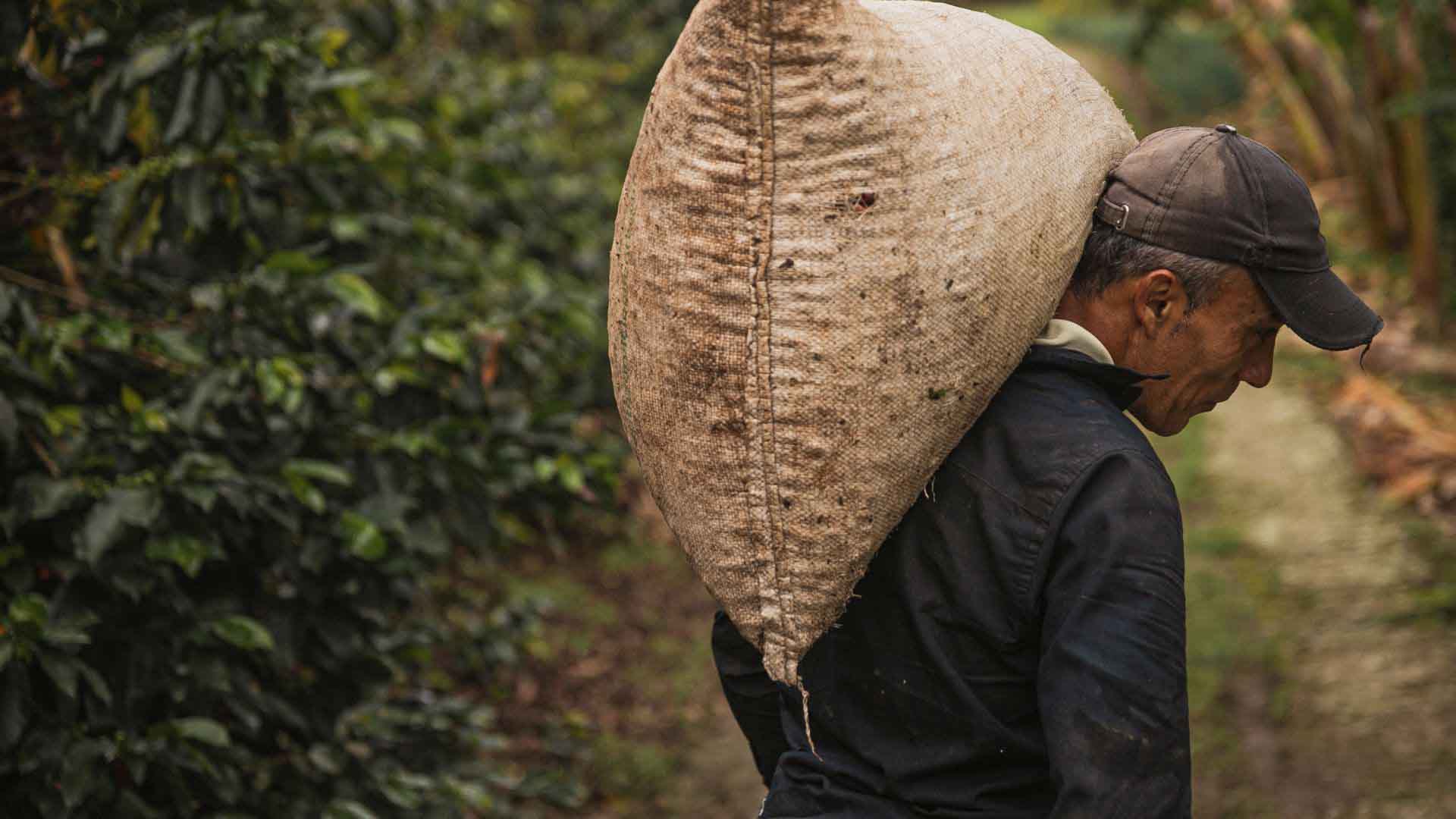
Economic and Cultural Impact: Coffee farming is a significant part of the local economy on Java, providing income for many farmers. Additionally, Javanese Coffee is an integral part of Indonesia’s coffee culture and heritage.
Overall, Javanese Coffee is celebrated for its rich flavor profile and historical significance, making it a prominent and beloved choice among coffee enthusiasts around the world.